

Pump The Pedals, Not Petrol
Lately it feels like the ground under everyday life is shifting.
Fuel prices jump without warning. Groceries seem to cost more every month. Entire industries rise and fall faster than anyone expects. Even when the broader economy appears stable, there is a quiet sense that many of the systems we depend on are more fragile than they once seemed.
Most of these forces operate at a global scale and are far beyond the influence of any individual household. Oil markets move according to geopolitics and international demand. Supply chains shift. Prices fluctuate whether we like it or not.
We are not without choice in this. What individuals can control is how exposed they are to those forces. One surprisingly effective way to reduce that exposure is to incorporate bicycling into everyday life by using one for transportation, or put another way, start driving fewer kilometres when you can.
Seen this way, a bicycle is not simply recreational equipment. It functions more like personal infrastructure: a simple, durable tool that allows a household to remain mobile regardless of fluctuations in fuel prices or economic conditions. And in uncertain times, that kind of quiet reliability matters. All of this also isn’t just theory or some pie-in-the-sky personal performative contest: It’s how I have been living for almost 20 years and I’m not the only one, far from it.
The Vulnerability of Car Dependence
In most North American cities, the private automobile has long been the default tool for daily life. Commuting, school drop-offs, grocery runs, and short errands are typically organized around the assumption that a car will be used for nearly every trip. For decades, that system felt effortless. Fuel was relatively affordable, insurance was manageable, parking was abundant, and the cost of driving blended into the background of everyday life.
But the system carries an invisible vulnerability. It ties a large portion of household spending to a single variable that no one can control: the price of oil. When fuel prices rise quickly, the effects ripple through daily life almost immediately. The commute costs more. Food costs more. Every errand quietly becomes more expensive. For households that rely entirely on cars, there is often very little room to adapt when the cost to fill your car doubles. The bills arrive regardless of how you feel about it.
That lack of flexibility creates a subtle but persistent anxiety that feels impossible to shake.
Bicycles Introduce Options
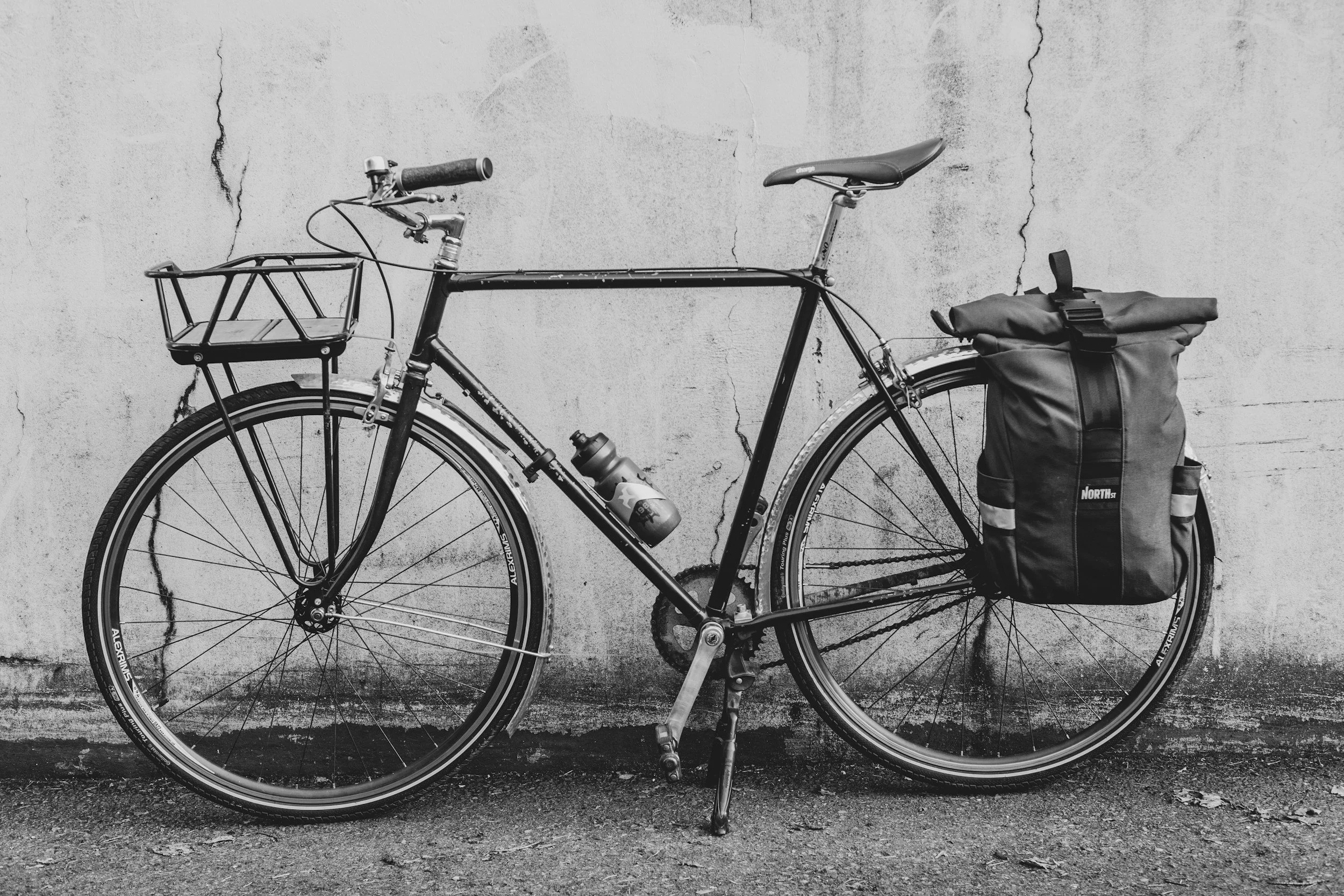
Adding bicycles to the transportation mix changes this equation in a quiet but powerful way. And when I say bicycles, what I mean is a useful bicycle that can carry a few things.
The goal is not necessarily to eliminate driving. For many people that would be unrealistic and especially true in most North American cities that are designed around automobility. The more practical goal is to replace a meaningful portion of short trips - errands, neighbourhood travel, and local commuting - with bicycle travel. Easy, simple trips. Start with easy errands you can manage and expand your horizon from there. Once that habit exists, something important changes. Transportation stops feeling rigid and starts feeling flexible, possibilities arrive, freedom of movement becomes a thing.
When fuel prices spike, more trips can shift to the bicycle. When conditions make driving a requirement, the car remains available. Instead of being trapped by rising costs, households gain the ability to respond. This isn’t a purity contest, no need for all-or-nothing changes in your life. That sense of having options can bring a surprising feeling of relief.
The Quiet Evolution of Practical Cycling
Another reason this conversation feels different today is that the practical side of cycling has improved dramatically over the last couple decades. Bicycles designed for everyday transportation are now more available, more capable, more affordable, and easier to live with than many people realize. Carrying groceries, commuting moderate distances, taking the kids to school/daycare, or completing daily errands by bike no longer requires Bill Nye levels of nerdiness.
More importantly, bicycles are increasingly understood for what they have always been capable of being: Simple, reliable tools that move people efficiently through cities with minimal cost and complexity. In many ways, they function like other forms of infrastructure, quietly supporting everyday life while demanding very little in return.
The Psychological Value of Independence
The financial benefits of transportation cycling are relatively easy to calculate. )CAA has an amazing car cost calculator that is disturbing as it is revealing.) Reduced fuel consumption, fewer short car trips, and lower vehicle wear all translate into measurable savings. But the emotional benefits are often even greater, and the physical benefits greater still. When people know they can run errands, get to work, or pick up groceries without worrying about the price of gasoline, something subtle shifts. Fuel price spikes feel less threatening. Daily movement feels simpler. The city itself begins to feel smaller and more accessible. Instead of feeling dependent on a single system, one regains a sense of independence and dare I say it, freedom.
In a world that increasingly feels unpredictable, that sense of control carries real psychological weight.
Stability at the Household Level
In practical terms, this resilience often looks very simple. A household that owns bicycles for everyday transportation has another option available at any moment. When fuel prices rise, a portion of daily travel can quietly shift to two wheels instead of four.That small shift—trip by trip, errand by errand—creates a surprising amount of stability over time and saves you money.
And stability, in uncertain times, is something people value deeply.
Stability Through Personal Infrastructure
No individual action can stabilize global energy markets or prevent economic cycles. The price on the sign outside the gas station will continue to fluctuate regardless of our preferences.
What individuals can do is design their lives to be slightly less vulnerable to those fluctuations.
Incorporating bicycling into everyday transportation is one small way of doing exactly that. It reduces dependence on a volatile resource, introduces flexibility into household spending, and provides a reliable alternative when costs rise unexpectedly.
Seen this way, the humble bicycle becomes something more than a recreational device.
It becomes personal infrastructure—a simple, durable system that helps households stay mobile, adaptable, and steady when the ground beneath the economy begins to shift.